PODPRITE NAS

Category: Uncategorized

Landscape Park Strunjan Celebrates SPAMI Day

LANDSCAPE PARK STRUNJAN CELEBRATES SPAMI DAY

 
Join us at the SPAMI* Day in Landscape Park Strunjan on Saturday, 15 April! Learn about the importance of marine conservation and how you can become active in preserving our precious marine ecosystem.


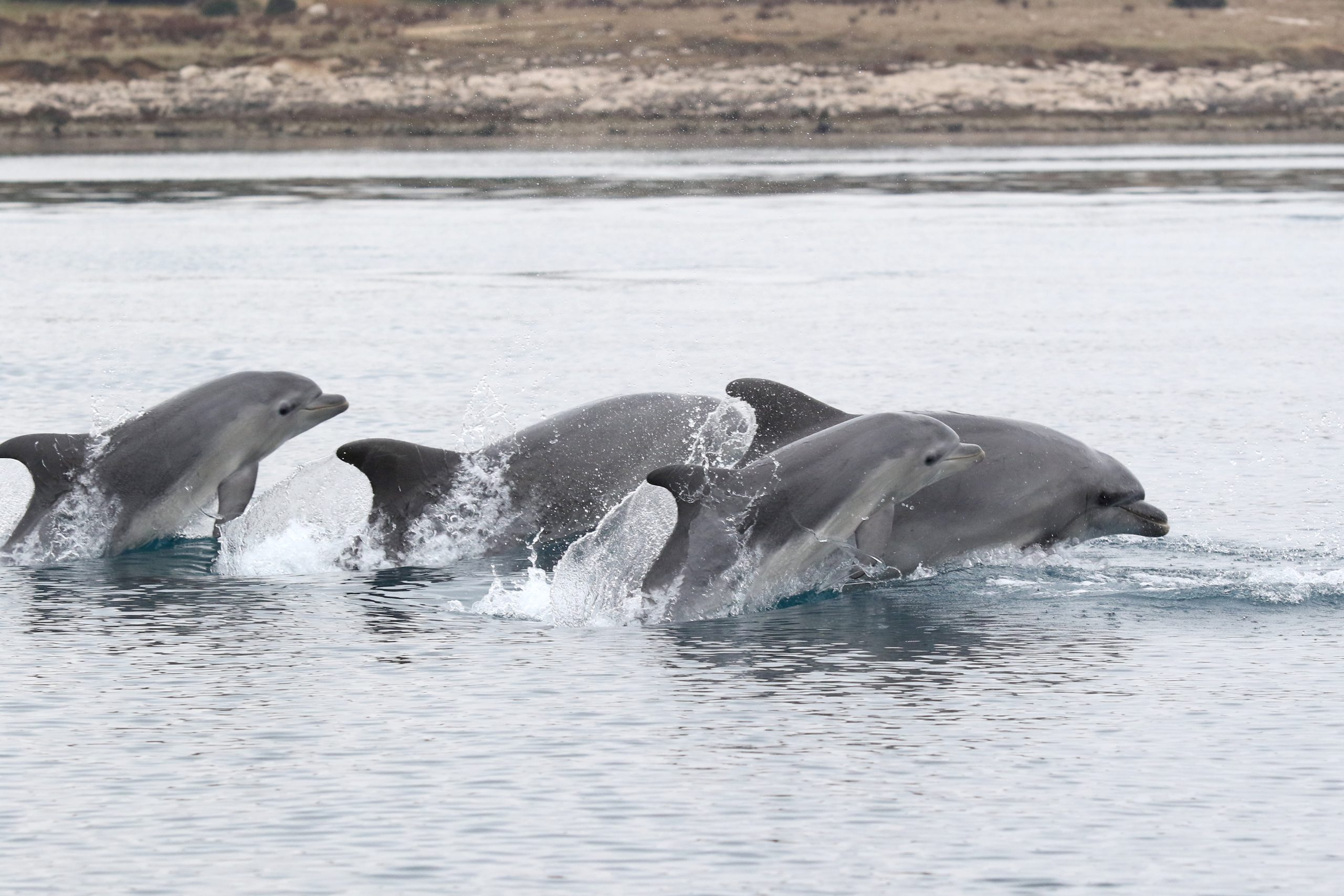
During the event, which will take place between 10 AM and 3 PM you will have the opportunity to explore a circular learning trail through the park and visit four interactive stations where representatives of the Morigenos, Landscape Park Strunjan and the Institute of the Republic of Slovenia for Nature Conservation will present the importance of SPAMI, the most significant plant and animal species in the area and the research of the dolphins that regularly visit the area, as well as practical tips and advice on how to better protect and preserve the marine environment through good habits.


The event is free and open to visitors of all ages.


Don’t miss this exciting opportunity to learn and have fun while celebrating SPAMI Day. See you in the Landscape Park Strunjan!


*What is SPAMI?
No, it’s not a spam, but the acronym SPAMI stands for Specially Protected Areas of Mediterranean Importance. SPAMI areas are given a special status because of their ecological, scientific, aesthetic, cultural or educational importance at a regional level. The areas have been identified by the Regional Centre for Protected Areas of the Barcelona Convention. There are 39 such sites in the Mediterranean, with the Landscape Park Strunjan in Slovenia. To showcase the Mediterranean Sea in all its diversity and richness, SPAMI Day is celebrated every year on 15 April.


The SPAMI Day event is organised by Morigenos – Slovenian Marine Mammal Society and Landscape Park Strunjan as part of the SPAMI Day and Marine Education Trail project and the SPAMI LPS, co-funded by UNEP/MAP-SPA/RAC and the Italian Ministry of Environment and Energy Security.

Journey of a Poet: Morigenos Researchers Document the Longest Recorded Movement in an Inshore Bottlenose Dolphin

JOURNEY OF A POET: MORIGENOS RESEARCHERS DOCUMENT THE LONGEST RECORDED MOVEMENT IN AN INSHORE BOTTLENOSE DOLPHIN

A dolphin sighted off Piran became the world record holder in londistance swimming. Morigenos researchers, together with colleagues from Filicudi WildLife Conservation and Delfini Del Ponente, documented the longest travel distance for an inshore bottlenose dolphin (Tursiops truncatus). Our findings were published in a renowned science journal Mammalian Biology.

Prešeren with Slovenia’s highest mountain Triglav in the background.
 
In February 2020, during our dolphin monitoring in the Gulf of Trieste, Morigenos researchers photographed a dolphin that had not been seen in this area previously. As it was a new dolphin, and given it was sighted on 8 February (Prešeren Day, Slovenian national holiday, dedicated to Slovenia’s greatest poet France Prešeren), we called it Prešeren. Morigenos has been studying dolphins in the Gulf of Trieste for 20 years, during which time we identified over 400 individuals. Around 150 live here regularly, while others are occasional visitors. Prešeren was seen again a month later in March.
To our great surprise, we discovered that Prešeren arrived from Tyrrhenian Sea, more precisely from the Aeolian archipelago, north of Sicily, more than 1000 km from Piran. Researchers from Filicudi WildLife Conservation had been seeing him there between 2006 and 2017 (they called him Lino). As he was not seen since 2017, he was presumed dead. That is why they too were surprised when we contacted them and told them that “their” dolphin is now in the northern Adriatic. But how did we know that?In 2021 an online meeting took place, where Dr. Tilen Genov from Morigenos and Dr. Monica Blasi from Filicudi both participated. After his own talk, Tilen followed the presentation of Dr. Blasi and spotted a known fin in one of the photographs.

Photographing dolphin dorsal fins for individual identification.
 
After a careful examination of all available photographs, we jointly determined that this was the same dolphin beyond doubt. The animal had to travel at least 1251 km to get to Piran, breaking all the existing Mediterranean records, and most of world records too. But then an even greater surprise came. After we presented our preliminary results at an online international conference, we were contacted by researchers from Delfini Del Ponente, who study dolphins in the Ligurian Sea. It turns out they photographed Prešeren (Lino) as well, merely 6 months after we observed him off Piran. This time he had to travel a minimum of 2053 km (the shortest possible path), which is the longest recorded movement in a so-called inshore ecotype of bottlenose dolphins, and the second longest for the species overall. The only recorded movement that was longer was one of an “offshore” bottlenose dolphin ecotype, which was tracked through a satellite transmitter following a period of rehabilitation in human care.

Prešeren/Lino photographed in Tyrrhenian Sea, northern Adriatic Sea and Ligurian Sea
 
And why does that even matter? Bottlenose dolphins are generally thought of as a relatively resident species, with strong fidelity to their home area. This is mostly true, but our new findings, together with a review of the existing literature that we carried out, show that this species is much more mobile than we previously thought. This is important in relation to gene flow among populations, which is crucial in the long-term conservation of this species, but it also demonstrates the importance of international collaboration in conserving biodiversity. Such findings contribute to a better understanding of species, which indirectly leads to a better understanding of marine ecosystems.